When negative is actually positive
Tags: Hatching | Blog
, 11 February 2026
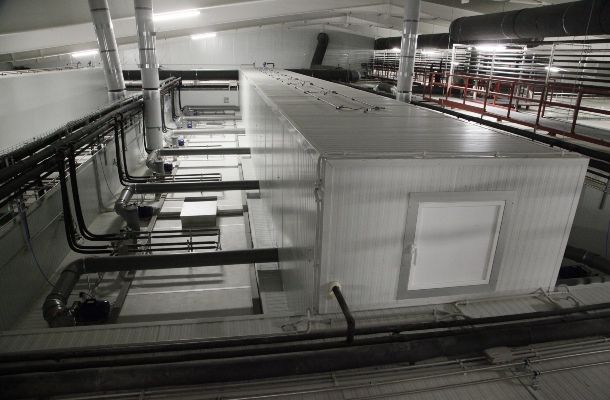
A manager of a West African hatchery started to doubt the quality of eggs imported from Europe when he noticed hatch results gradually declining over the years. Especially, he thought, because he had not changed anything in the incubation programme after initial fine-tuning seven years ago when the hatchery was founded. However, after changing to home-produced hatching eggs, results barely improved, which is when the hatchery manager called me and we decided I should come over and conduct an investigation.
The hatchery was in good order and the equipment in excellent shape. At first glance, I could see nothing wrong with the setter and hatcher incubation programme. On hatch day, I did notice that the chicks were not as responsive to triggers as normal and reflexes were slow. During breakout of hatch residue I saw too many internally and even externally pipped eggs with fully normally developed, but dead embryos.
I suspected a hatcher ventilation problem and first checked the fan rpm, but that was normal. On the hatcher climate graphs, I noticed that the CO2-controlled dampers opened quite aggressively and even to 100% closer to the end, while CO2 no longer followed its set point. I asked the manager if he had changed anything in the air supply to and air exhaust from the hatchers, especially the air pressure settings, and whether calibration of the air pressure sensors was carried out at the recommended interval. The answer was as expected, so I decided not to take this for granted and conduct measurements myself. I found that even when faking maximal hatcher ventilation with the meanwhile empty hatchers, the positive air pressure in the clean air plenum was fine and the air handling unit was also in good shape with regularly replaced air filters.
I next focused on the exhaust side of the hatchers – the fluff tunnels. Meanwhile, the hatchers were all running again as transfer was just finished. The dampers were open at 20–40% and CO2 was nicely at the set point. The negative air pressure in the fluff tunnel was according to set point, so all seemed to be fine. Even so, I wanted to look and listen in the fluff tunnel itself. When listening at the door to the fluff tunnel I could hear that the fan was already running close to maximum speed, and indeed there was no sound of increasing rpm when I opened the door.
Would the fluff tunnel remain at the correct negative pressure once CO2 production in the hatchers increased, requiring an increase in ventilation rate? I thought I was close to the solution … and indeed, when walking into the fluff tunnel and looking up into the shaft of the exhaust fan, the cause of gradually declining hatch results was revealed: a collection of fluff of seven years of hatchery operation, making it increasingly difficult for the hatcher to respire!
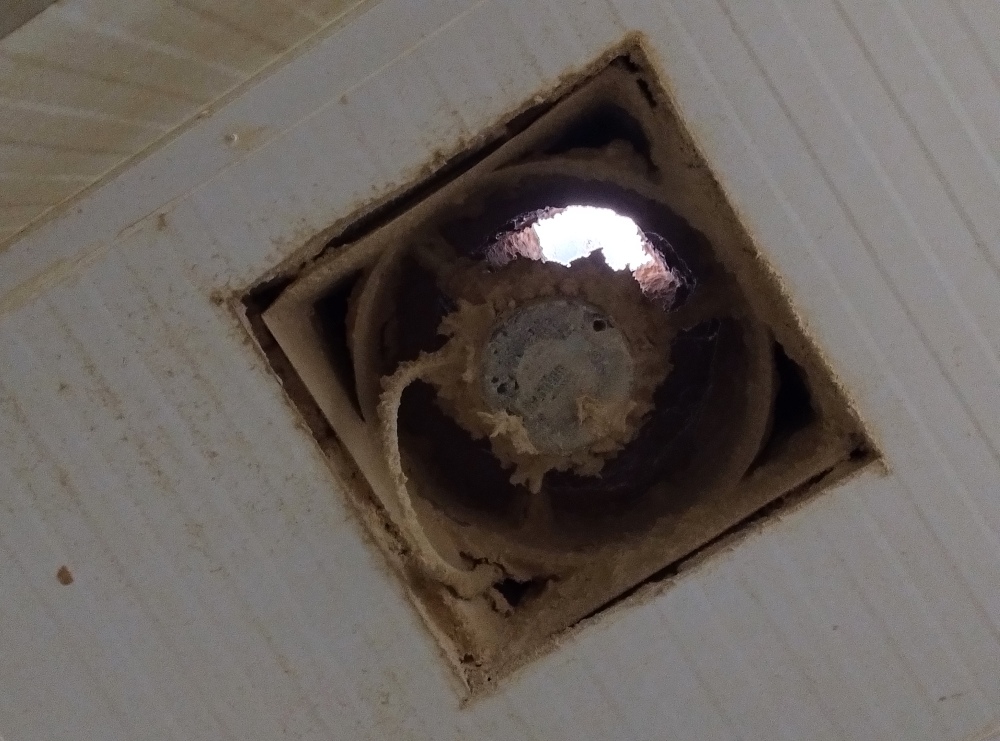
An action plan was formulated and speedily performed, and within a week I had a call from a happy hatcher manager: “Now I know why negative is actually positive; hatch results are back to original levels! Monthly cleaning of those exhaust pipes will be standard practice from now on.”
Written by Martin Barten
Senior Hatchery Specialist
I welcome your feedback on this article - and if you require any additional information, please don't hesitate to contact me.