Two main reasons for a huge drop in hatchability
Tags: Hatching | Whitepaper
, 24 June 2026
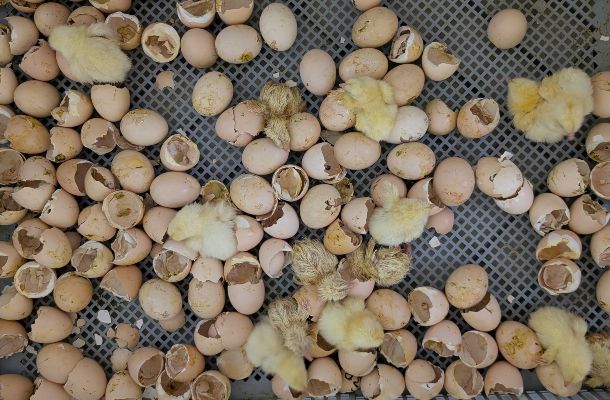
Small weekly fluctuations in hatchability in a specific breeder flock are accepted as normal by most hatchery managers. Reasons for such fluctuations include variations in egg storage time, breeder flock fertility, contamination, setter conditions or position in the setter. However, a sudden, large drop in hatchability necessitates further investigation. Usually, there are two main hatchery-related reasons that explain a flock’s significantly lower result in a specific incubation cycle: turning failure and the excessive use of formaldehyde.
Turning failure and the use of formaldehyde can critically affect embryo vitality, especially during the first seven days of incubation, when any inconformity is certain to result in a large drop in hatchability due to early embryo mortality. Frequently, the hatchery manager starts to worry that something is wrong on around day ten, when a lower CO2 level comes to their attention, or when a higher percentage of clear eggs is observed during routine test candling. This will be confirmed in the hatchers when fewer live embryos hatch, resulting in a lower humidity peak and lower CO2 production, with consequences for the ventilation rate.
The setter (and hatcher) climate graphs or recorded data should be checked to investigate how the incubation cycle performed. It is not usually possible to directly identify a problem due to a turning failure or formaldehyde effect. However, the slower build-up of CO2 since start of incubation or the observation that the setter’s dampers – if they are controlled by a CO2 sensor – are less open than normal are strong indicators of high embryo mortality during the incubation cycle. Embriodiagnosis can confirm the suspicion that there were problems at the start of the incubation cycle, indicated by a huge increase in early and middle embryo mortality.
It is important to check whether the drop in hatchability is seen in all hatchers loaded with eggs from a specific setter. Turning failure may occur in just some trolleys, resulting in decreased hatchability in some hatchers, while a total interruption in turning or excessive use of formaldehyde will generate a negative effect in all hatchers.
Advice:
- Check the turning system and intensify preventive maintenance after each transfer.
- Lubricate incubation trolleys after cleaning to ensure smoother turning with less risk of damage to the turning system.
- Check whether the turning system is running properly in all setters at least twice a day.
- Avoid using formaldehyde inside setters with embryos younger than four days / 96 hours, as this is lethal.
- Avoid using formaldehyde to disinfect empty setters after transfer, as residue may spread to a nearby setter starting its incubation cycle.
- Never use formaldehyde to disinfect a setter’s air entrance plenum.
Written by Lenise Inacio de Souza
Especialista em Incubação
I welcome your feedback on this article - and if you require any additional information, please don't hesitate to contact me.